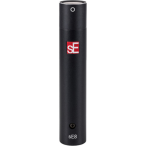
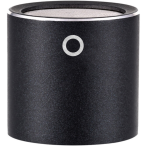
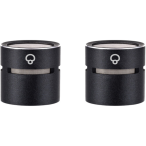
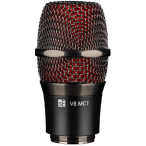
Wireless Microphone Components, Transmitters, and Receivers
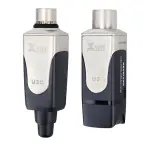
Individual wireless microphone components let production professionals build, expand, repair, or reconfigure a system without purchasing another complete package. Separate wireless receivers, handheld transmitters, bodypack transmitters, microphone capsules, lavaliers, and headsets are especially useful for venues, schools, houses of worship, theaters, mobile DJs, and rental companies whose microphone requirements change from one event to the next.
Wireless components are not universally compatible, even when they come from the same manufacturer. The transmitter series, receiver platform, operating frequency band, connector wiring, and microphone type must all match. KPODJ can help customers select compatible wireless microphone components and determine whether it makes more sense to add a transmitter, purchase another receiver, replace a damaged part, or build a complete multi-channel system from individual pieces.
Build a Custom Wireless Microphone System
Buying individual wireless mic transmitters and receivers gives experienced users more control over how a system is configured. Instead of accepting a predetermined package, customers can select the receiver capacity, transmitter style, microphone capsule, frequency range, and accessories that best fit their work. A production company might combine handheld transmitters for audience questions with bodypacks for presenters, while a theater may require several belt packs paired with miniature headset or lavalier microphones.
This approach is also practical when expanding an existing wireless microphone system. If a compatible receiver has unused channels, adding another transmitter may be more economical than purchasing a separate single-channel system. Likewise, replacing a damaged handheld or bodypack transmitter can restore a working system without replacing the receiver, rack hardware, power supply, and antennas.
Receivers, Handheld Transmitters, and Bodypacks
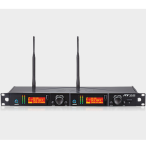
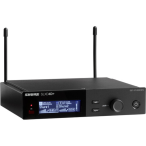
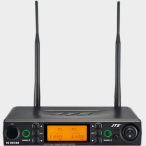
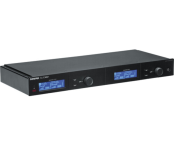
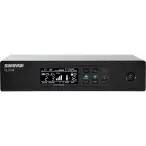
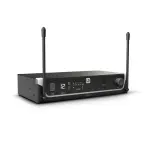
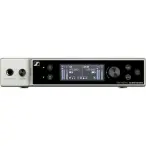
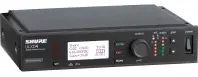
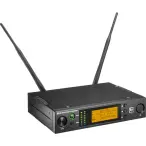
The receiver is the center of the wireless system. It captures the transmitter’s RF signal, converts it back into audio, and sends that audio to a mixer, powered speaker, or recording system. Single-channel receivers serve one transmitter at a time, while dual- and four-channel wireless receivers consolidate several microphones into one chassis. Multi-channel models are especially useful when rack space, wiring, and setup time are limited.
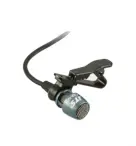
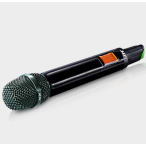
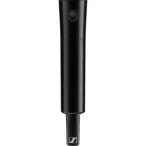
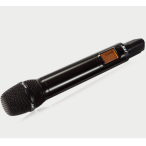
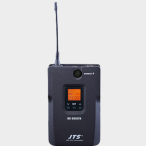
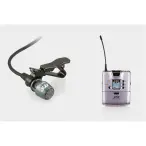
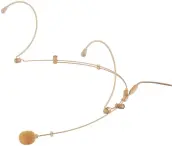
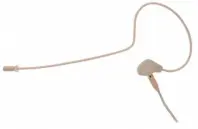
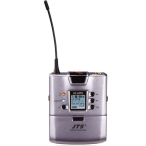
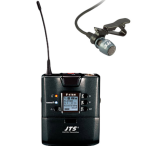
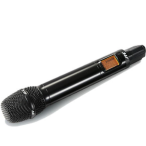
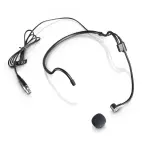
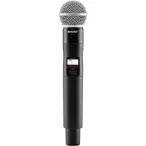
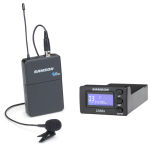
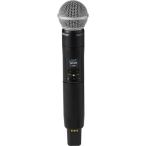
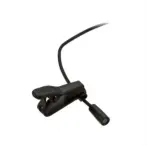
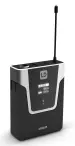
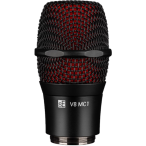
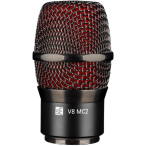
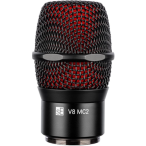
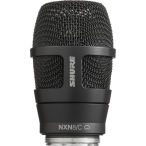
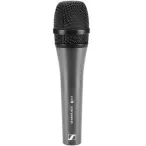
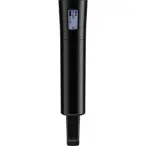
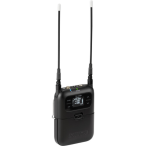
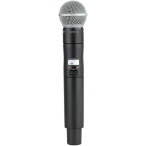
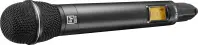
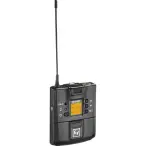
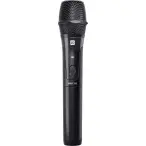
Handheld transmitters combine the radio transmitter, controls, battery compartment, and microphone capsule in one unit. They are ideal for singers, speeches, announcements, karaoke, and audience participation. Bodypack transmitters, also called belt packs, connect to compatible lavalier microphones, headset mics, earsets, or instrument cables. They provide hands-free operation for presenters, performers, fitness instructors, worship leaders, and musicians.
Compatibility Is More Important Than Appearance
Wireless microphone components that look similar may not work together. A transmitter and receiver must belong to a compatible platform and operate within the same frequency range. Even two products from the same brand can use different tuning bands, transmission formats, pilot tones, companding, synchronization methods, or digital protocols.
The printed frequency-band designation should always be checked before ordering a replacement or expansion component. A transmitter operating in one band cannot simply be synchronized with a receiver designed for another. Local RF conditions also matter, so adding components in an unsuitable band may create interference even when every part is technically compatible.
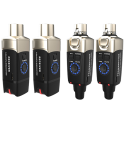
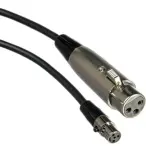
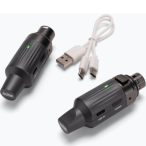
Bodypack microphone connectors require equal attention. Mini-XLR and locking connectors may use different pin counts, wiring arrangements, bias voltage, or impedance requirements. A headset or lapel microphone should be selected for the exact transmitter model rather than by connector shape alone. KPODJ representatives can help confirm compatibility before a customer invests in the wrong component.
JTS Components for Flexible Wireless Systems
JTS wireless microphone components are among KPODJ’s preferred options for building expandable systems at a strong value. JTS is a major microphone manufacturer, although its name is less familiar to some customers because the company has manufactured microphones and related components for other recognized brands. Buying JTS can feel like purchasing closer to the factory, with more of the cost going toward RF performance, construction, and useful system features.
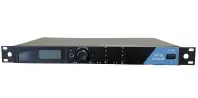
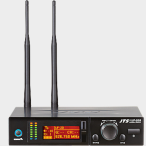
The JTS IS-R2 dual-channel diversity receiver is a rack-mountable platform compatible with JTS R-4 Series transmitters. It allows users to create a two-channel system using the transmitter combination that fits the application, including handheld microphones, belt packs, or one of each.
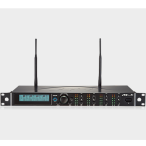
For larger installations, the JTS R-4 four-channel diversity receiver places four wireless channels in a single 1U rack chassis. Its REMOSET feature can send configuration data to compatible transmitters, making setup easier when several microphones are being prepared at once. This receiver is particularly attractive for schools, churches, theaters, rental systems, and production companies that need a compact but flexible multi-microphone platform.
Customers can pair compatible receivers with components such as the JTS R-4 TBM bodypack transmitter or a handheld option such as the JTS JSS-20 wireless transmitter. Choosing components separately makes it possible to create an all-handheld system, an all-bodypack system, or a mixed configuration without paying for unwanted transmitter types.
Replacement Parts and Expansion Accessories
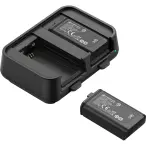
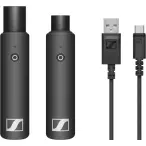
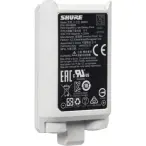
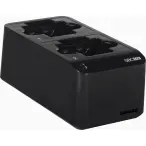
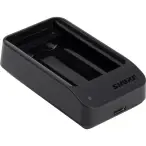
A complete custom system may also require lavalier microphones, headset mics, earsets, replacement capsules, instrument cables, receiver antennas, rack hardware, power supplies, antenna distribution, remote antennas, charging systems, batteries, windscreens, clips, and protective cases. Keeping compatible replacement parts available can prevent a damaged cable or transmitter from taking an entire wireless channel out of service.
Browse KPODJ’s wireless mic transmitters, receivers, and components when expanding or repairing a system. Because compatibility depends on the exact model and frequency band, contact KPODJ with the receiver model, transmitter model, and band designation before ordering. Our team can help determine which components work together and design a custom wireless microphone system that remains organized, expandable, and reliable.